About this episode
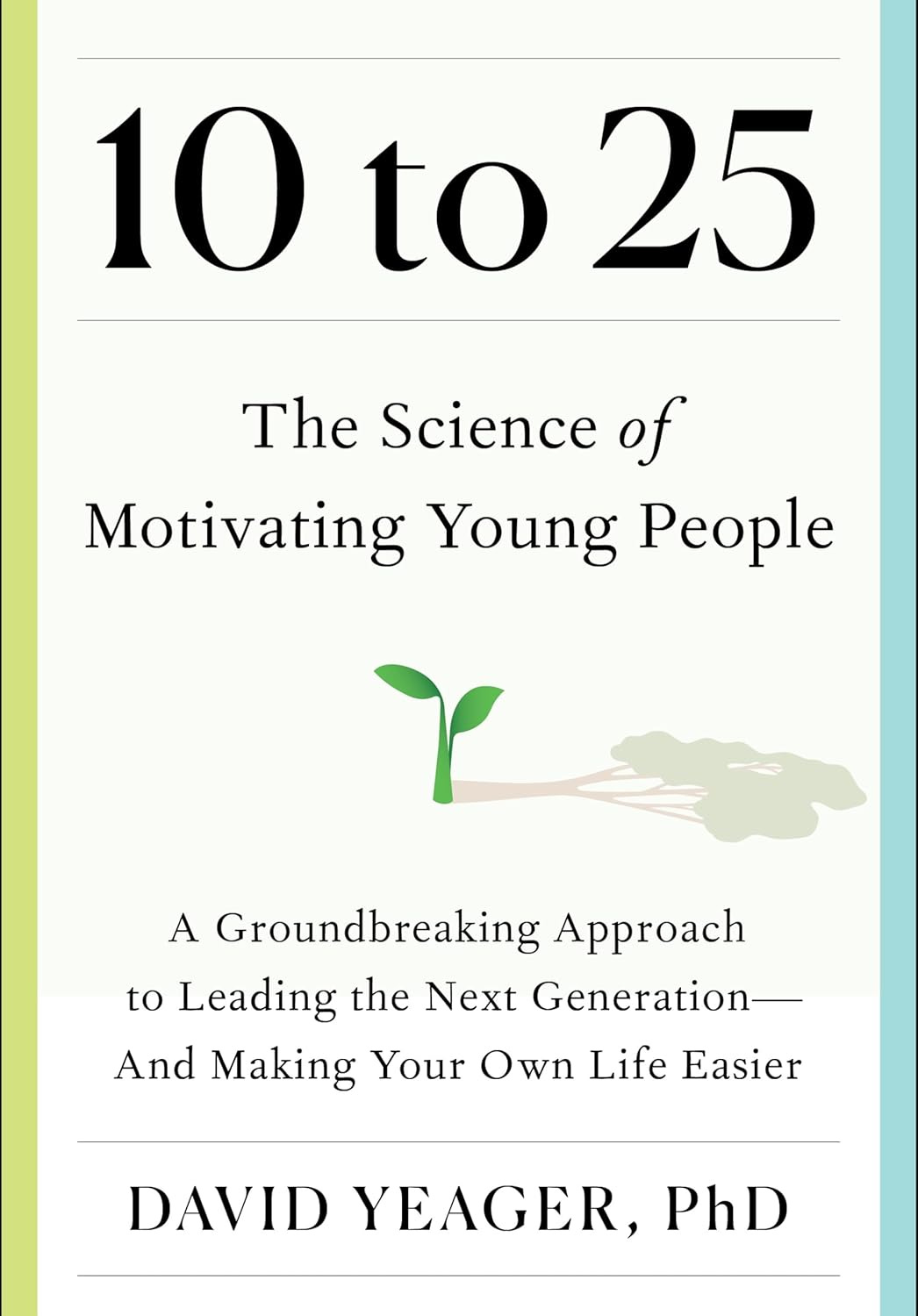
Parenting teens is hard. We often fall into styles that feel protective but end up making things worse. In our latest Dharma Lab episode, Dr. David Yeager, a leading researcher on adolescent motivation and author of 10 to 25, talks with Richie and Cort about why this happens and how to change it. We also explore the neuroscience of adolescent brains, and how the parenting strategies discussed can mirror how we relate to our own inner experience.Key concepts from the episode:* Most parents default to one of two styles (and not the one we need to start embracing more called the “mentor”)* Enforcer: high demands, low support (“toughen up,” “no excuses”)* Protector: high empathy, low expectations (removing challenges to avoid distress)Both come from love, and both can unintentionally shut teens down.* What teens are actually wired to needAdolescents are especially driven by pride, dignity, and respect…and deeply averse to humiliation or shame. When they feel talked down to, they stop listening.* Why this stage is uniquely hard right nowPuberty is starting earlier than ever, while the brain systems that support emotional regulation won’t fully mature until the mid-20s. This widening gap makes misfires more likely for teens and parents.* The problem with “grownsplaining”When adults assume their experience makes them the unquestioned expert, teens hear disrespect; even when advice is well-intentioned. That dynamic fuels resistance rather than growth.* The mentor mindset offers a different pathHigh standards with real support. Less lecturing, more curiosity. Asking questions instead of delivering answers. Allowing discomfort without removing expectations.* Discomfort isn’t always a sign something is wrongAnxiety, frustration, and even tears can mean a young person is stretching toward something meaningful - not failing. What matters is whether distress comes with support or shame.* Small tools that make a big difference* Do-overs: repairing moments when we miss the mark without lowering standards* Reframing stress: helping kids interpret nerves as a sign of doing something important* Letting kids resolve conflicts: building independence instead of reflexively intervening* A surprising takeaway for pare