About this episode
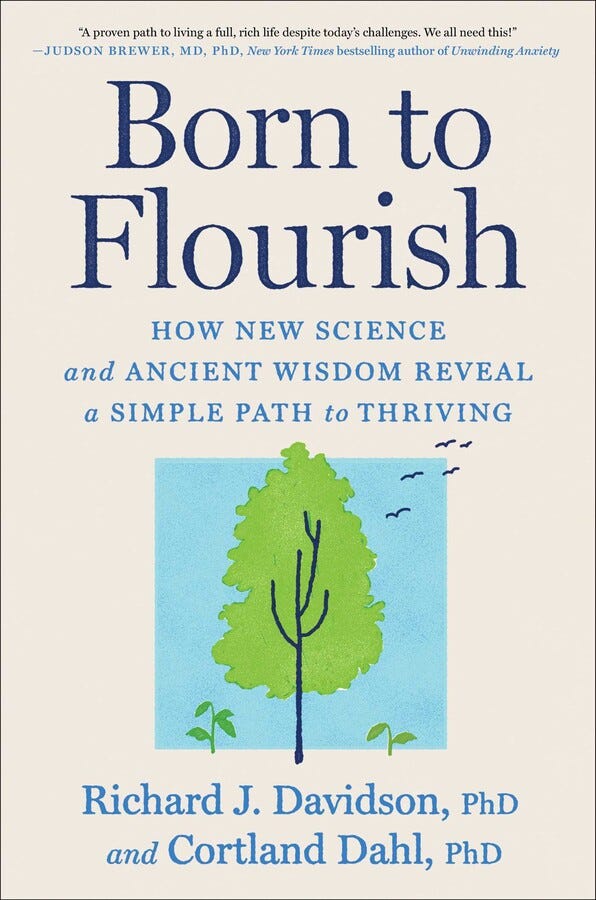
REMINDER: Live Q&A with Richie and Cort TODAY at 8pm ET on Substack. Over the next two weeks on Dharma Lab, we’ll be exploring the science and practice of meaningful change—why it so often breaks down, and how small, intentional habits can gradually reshape how we live.In today’s episode, we explore a key insight from neuroscience and psychology: our behavior is shaped less by willpower than by the affordances around us—the cues, routines, relationships, and environments that quietly invite certain actions while discouraging others.Rather than asking why we “lack discipline,” we look at how everyday contexts—from our physical surroundings to the people we spend time with—continually nudge our habits, often outside of awareness. When those affordances stay the same, even the strongest resolutions tend to fade.We also explore a more hopeful possibility: that working with affordances doesn’t have to feel rigid or effortful. Approached with curiosity, it can be creative—even fun. Experimenting with small changes, playful rituals, and supportive friendships can turn habit-building from a struggle into something that feels alive and sustainable.Next week, we’ll continue the conversation:* discussing conscious habits, and* the four steps make flourishing a habit: Inspiration, Intention, Action, and Repetition. You can read more about these in our recent post, as well in our upcoming book Born to Flourish (available for pre-order now, arriving March 2026). Recent Posts:Podcast Chapter List:00:00 – Approaching New Habits with Curiosity and CreativityWhy motivation fades, even when intentions are sincere — and why willpower alone isn’t enough.01:00 – Introducing Dharma Lab & the Science of Habit ChangeDr. Richard Davidson and Dr. Cortland Dahl on the neuroscience and contemplative science of lasting behavior change.02:35 – A Daily Ritual for Motivation (Bodhicitta Practice)Why small rituals help anchor habits — and why remembering to begin is often the hardest part.04:15 – The Brain Is Sensitive to ContextHow habits are shaped less by intention and more by environment.05:20 – What Are “Affordances” in Neuroscience?Why cues in your environment quietly drive behavior — often outside awareness.06:45 – Why Changing Intention Isn’t EnoughWhy resolutions fail when the environment stays the same.07:40 – Causes and Conditions: A Buddhist Psychology ViewWhy behavior change depends on assembling the right conditions, not forcing outcomes.09:00 – Practical Example: Su