About this episode
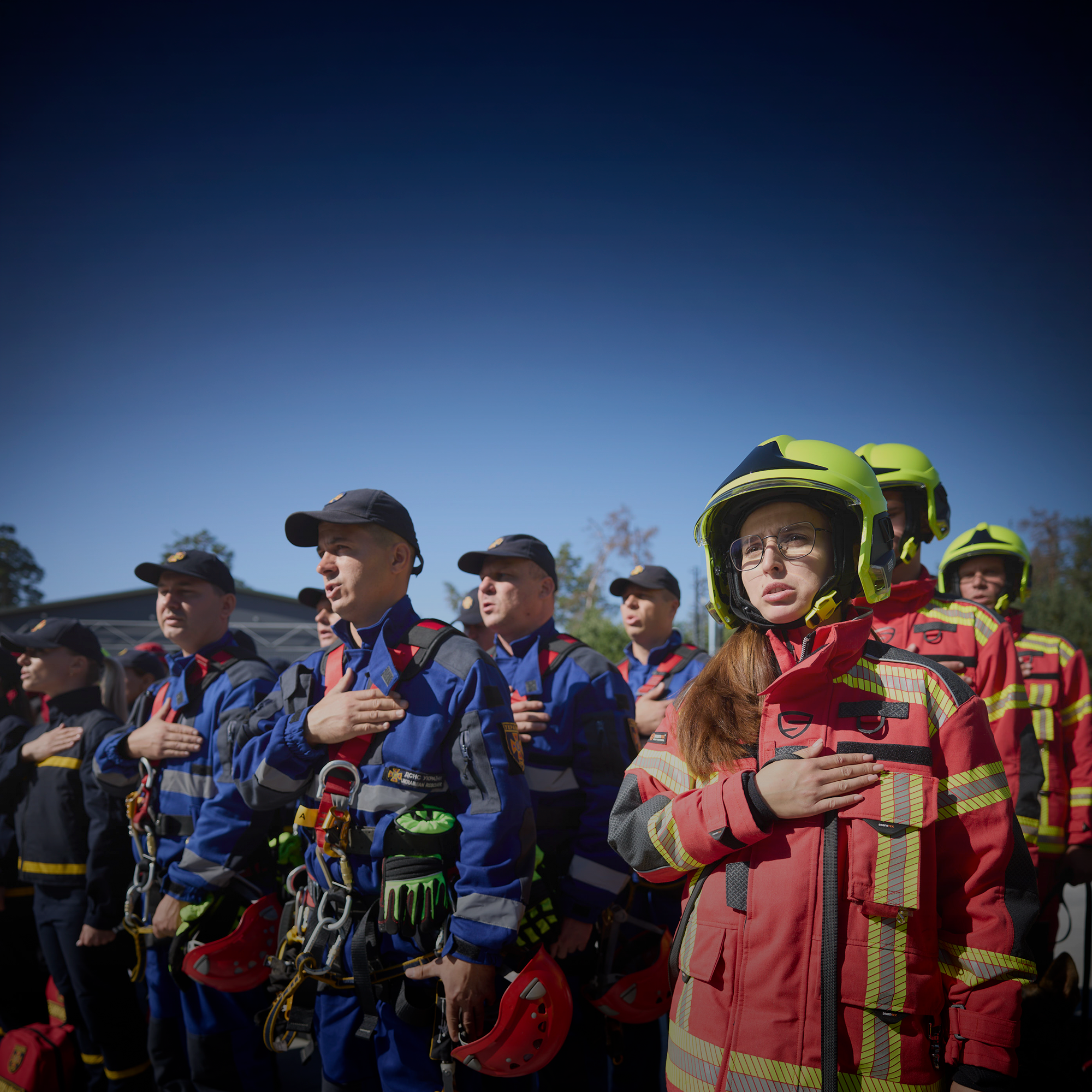
Ukraine has lost close to a quarter of its civilian workforce since the invasion. Three and a half million workers left government-controlled areas: mobilised into the armed forces, displaced inside the country, gone abroad as refugees, or killed. Giacomo Anastasia, Tito Boeri, and Oleksandr Zholud draw on an unprecedented wartime dataset to document how Ukraine's labour market adapted under that pressure. What they find is not what you might expect. Aggregate matching efficiency fell by only about 15%; less than the decline recorded in the United States during the 2008 financial crisis. Firms hired women into roles previously closed to them by law, took on older workers and people with disabilities, and expanded remote work to keep displaced employees and refugees connected to Ukrainian payrolls. The collapse was real, but concentrated: in contested territories near the frontline, employment fell to less than half its pre-war level and vacancy postings dropped to virtually zero. The question the paper poses for reconstruction is how to sustain that resilience, absorb close to a million returning soldiers, and begin to reverse what five years of disrupted schooling has done to a generation.The research behind this episode:Anastasia, Giacomo M., Tito Boeri, and Oleksandr Zholud. 2026. "A Wartime Labor Market: The Case of Ukraine." Economic Policy: Papers on European and Global Issues, special issue: "What's Next for Ukraine?"To cite this episode:Phillips, Tim. 2026. "What's Next for Ukraine: A Wartime Labour Market." Economic Policy: Papers on European and Global Issues (podcast).Assign this as extra listening. The citation above is formatted and ready for a reading list or VLE.About the guestsGiacomo Anastasia is a PhD student in Economics at Columbia University and Columbia Business School. His research interests include public economics, labour economics, and industrial organisation.Tito Boeri is Professor of Economics at Bocconi University and one of Europe's leading authorities on labour markets, unemployment insurance, and welfare state reform. He served as President of INPS, Italy's national social security institution, from 2015 to 2019.Oleksandr Zholud is a researcher at the National Bank of Ukraine. He was central to maintaining the economic data systems that continued to function through the war, and which made the empirical work in this paper possible. Research cited in this episodeThe civilian labour force contraction is estimated at roughly twenty to twenty-five per cent of the pre-war workforce in government-controlled a