About this episode
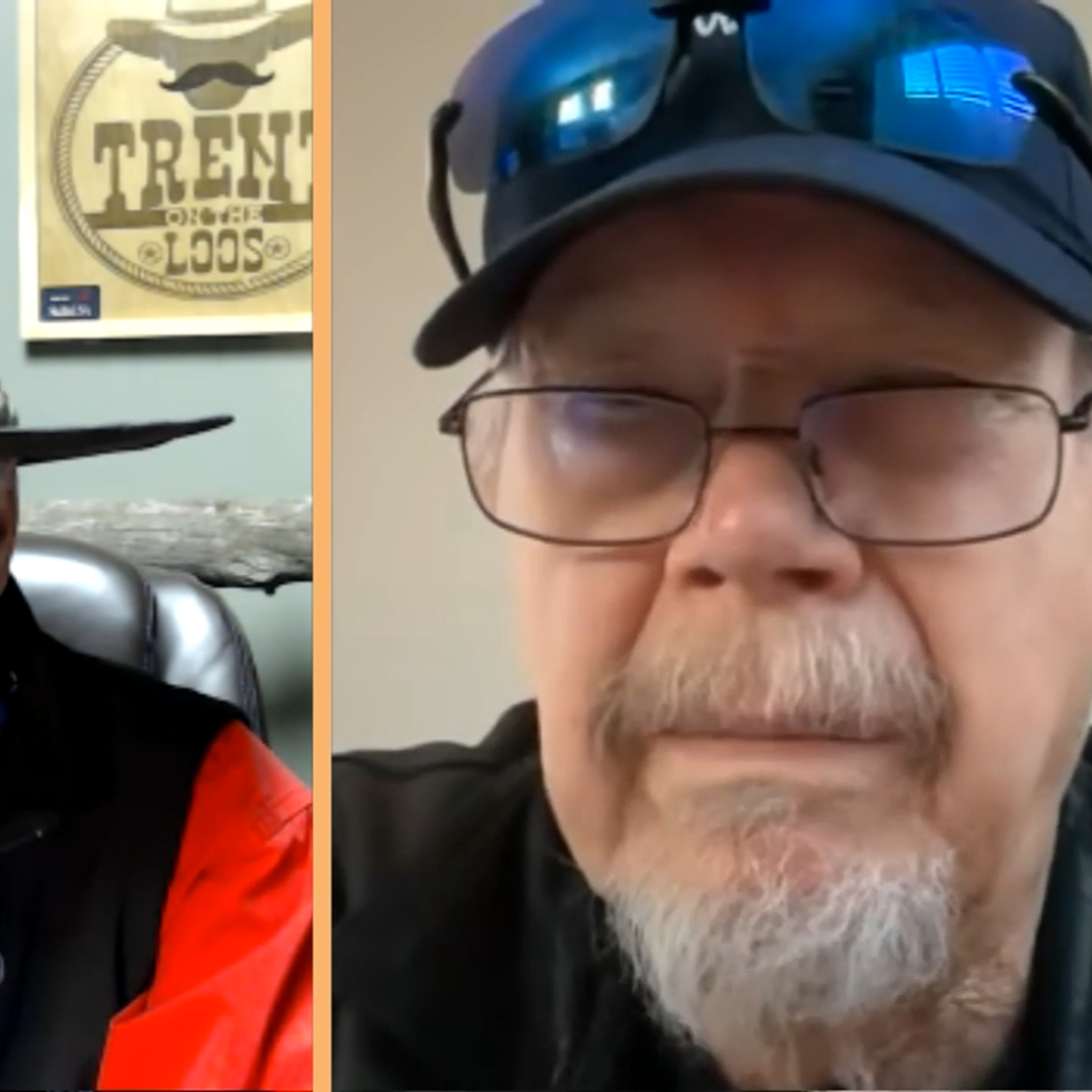
On this episode of Rural Route, host Trent Loos is joined by Dr. Fred Madsen from Illinois for a powerful conversation about the hidden environmental and health concerns surrounding the rapid expansion of AI data centers. Trent and Dr. Madsen raise serious questions about emissions, low-frequency sound waves, and other disturbances that may impact livestock, wildlife, and human health. Trent points to troubling cases, including livestock issues linked to low-frequency vibrations near energy infrastructure, warning that these emerging technologies may be creating unintended consequences for rural communities. The discussion also dives deep into the impact of electricity and electromagnetic activity on animal health. Dr. Madsen explains how stray voltage has been connected to dairy cow health problems like mastitis and explores his research on electron flow within the body and how it relates to life and biological function. Trent adds examples from agriculture, including a Kansas rancher using stray voltage to power electric fencing, and raises concerns about frequency-based tracking devices placed on livestock. The conversation then turns to the massive resource demands of AI data centers, including water use. Trent notes that a large portion of these facilities are located in the Colorado River Basin, a region already facing severe water shortages, and mentions discussions of a proposed moratorium on new data centers in North Dakota. Dr. Madsen also shares insights from decades of dairy research, including how producers manage heat stress in cattle in warmer states like Florida and Arizona. Finally, the episode explores the growing importance of personalized nutrition. Dr. Madsen explains how mitochondrial haplotypes and generational biology influence how individuals process food, challenging the idea that a single diet works for everyone. The discussion highlights how understanding genetics, environment, and nutrition can lead to better health outcomes for both people and livestock.