About this episode
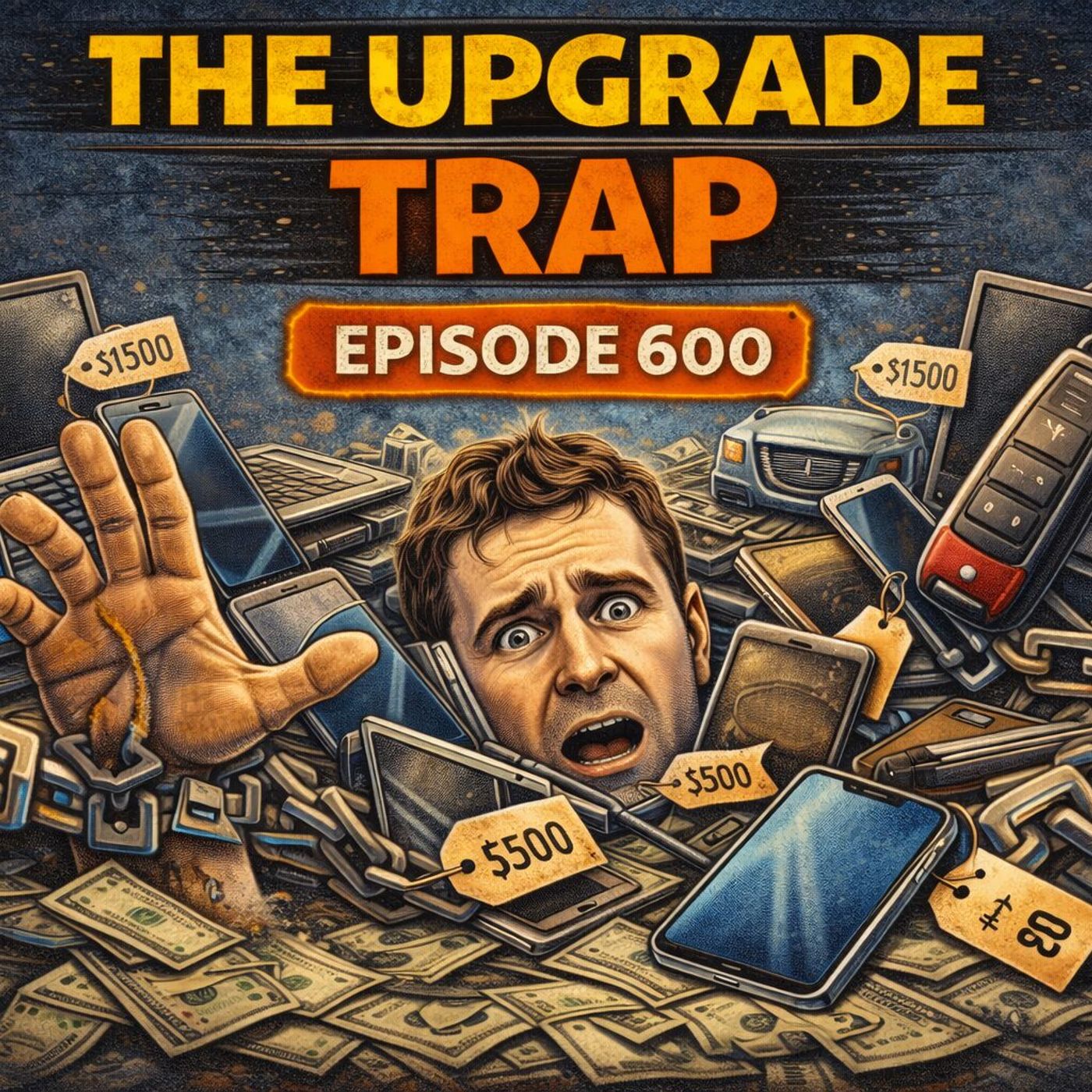
upgrade life The Upgrade Trap | Episode 600 It’s incredibly easy to fall into what I call the upgrade trap. Phones, laptops, TVs, cars — companies are constantly pushing the newest version of everything. The marketing tells you your current gear is outdated, slow, or missing the latest features. So people upgrade every year or two without really thinking about the long-term cost. Today we’re talking about how this trap works, why it’s so effective, and how you can break free from it. The Phone Upgrade Cycle Smartphones are probably the most obvious example of the upgrade trap. Every year there’s a new iPhone. Every year there’s a new Android flagship. Folding phones, bigger cameras, faster processors — and most of the time people are paying more for features they barely use. For years I fell into this trap myself. Back when the first Android phone came out — the T-Mobile G1 with the flip-out keyboard — I jumped on it immediately. After that I kept upgrading every couple of years. And phone companies make it easy to do. They’ll happily “upgrade” your phone while quietly adding another $20–$30 per month to your bill for the next couple years. If you’re doing that for every device in your family, you might be adding $100 or more every month just to keep chasing the newest gadgets. That’s money that never stops leaving your pocket. A Smarter Way to Handle Phones These days I take a completely different approach. First, I stopped paying for phone insurance. That alone saves around $18 or more every month. If you take that same money and just set it aside, you’ll have enough to buy a replacement phone every year if something goes wrong. When my phone breaks, I simply go to eBay and buy a model that’s a couple years old. Usually I can get one for around $100–$200. Then I sell my old phone — even if it’s damaged — and recover some of the cost. People buy broken phones all the time to repair and flip them. So instead of paying monthly fees forever, I just replace devices when I actually need to. It’s simple and it saves a ton of money. Planned Obsolescence Everywhere Phones aren’t the only place this happens. Software companies do it too. Microsoft recently caused a lot of backlash by ending support for a bunch of devices that aren’t even that old. Suddenly perfectly functional computers are considered “obsolete.” Laptop manufacturers have also leaned heavily into planned obsolescence. Cheap laptops in the $300 range often seem designed to last only a couple years before something fails. Hard drives die. Performance slows down. Parts wear out. For years I would just buy a new laptop every few years because it seemed easier than fixing the problem. Eventually I stopped doing that. Now I’m still using a desktop that isn’t perfect, but it works. Sometimes a simple upgrade — like adding RAM or doing a fresh operating system instal