About this episode
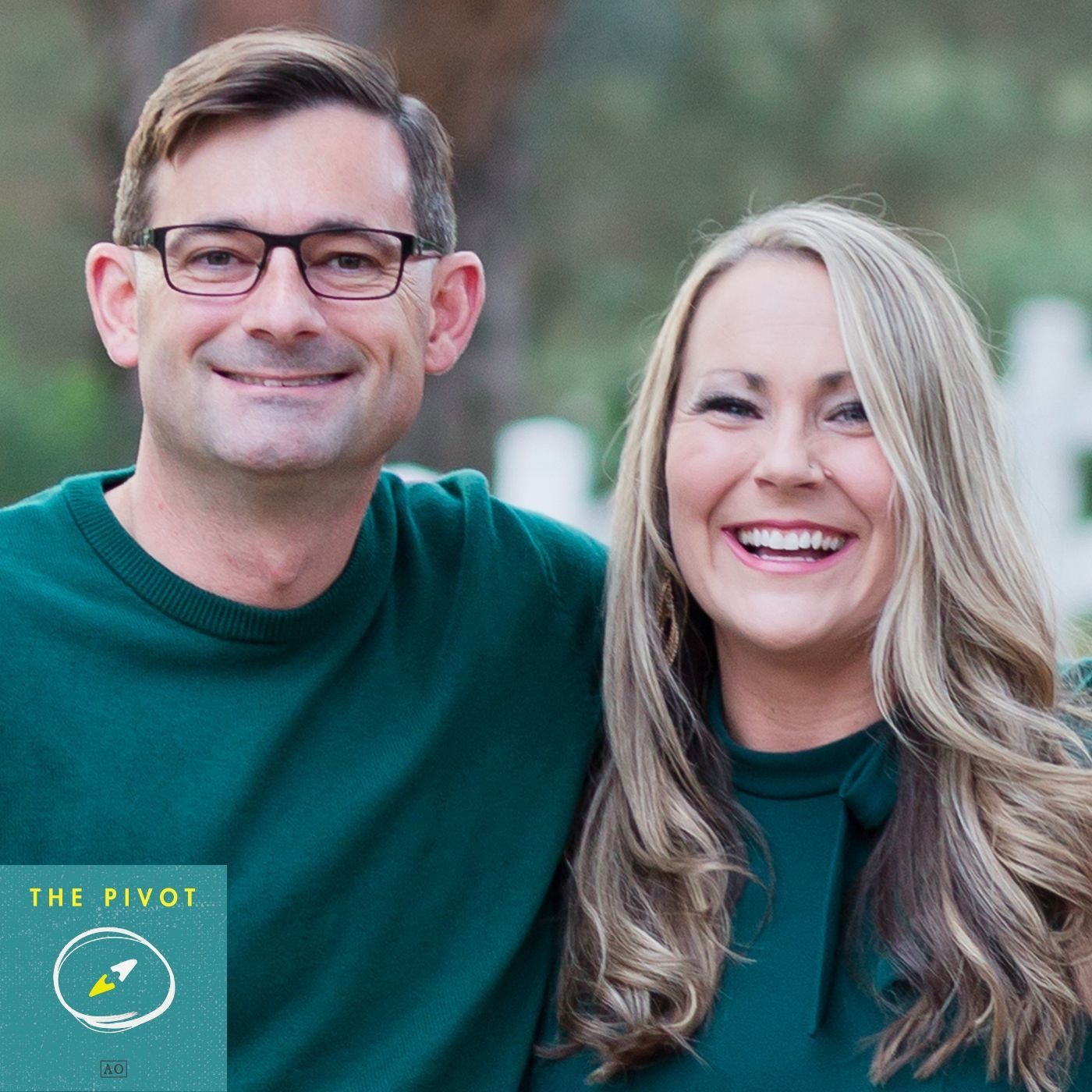
This week on The Pivot, we had a heartfelt conversation with Robert and Lori Crosby as they shared the vital work of their Reach Hurting Kids Institute. They opened up about what it truly means to apply a trauma-informed lens to ministry, explaining how shifting our perspective is key. Instead of seeing trauma-related behaviors as something to be taken personally, they teach us to see them as opportunities—chances to uncover deeper feelings and support a child’s path toward healing. Robert, with his researcher’s insight, and Lori, with her therapist’s heart, emphasize the power of a relational approach over a rigid, behavior-focused one. They talked about the beauty of flexible planning—the need to “pivot” to meet a specific child’s needs—and, most importantly, the profound importance of ensuring every single child genuinely knows and feels their inherent worth. Thought-Provoking Quotes: “It’s always amazing when you meet people who work in areas that are so heavy, and yet carry themselves so lightly. The area of children’s trauma, that’s as heavy as it gets, and yet [Robert and Lori] carry this joy with them.” - Andrew Osenga“I had the chance to start doing research in the realm of children’s ministry, to research trauma as it intersects with ministry. And pretty quickly I realized this is something I’m really passionate about, and this is a place where the church can have a huge, huge impact.” - Robert Crosby“Some of the clients I was working with were getting kicked out of churches because of trauma-related behaviors. And children kind of interpret that as they’re not good enough to be in the presence of God, which broke my heart.” - Lori Crosby“A trauma-informed ministry leader recognizes the signs and symptoms of trauma. So if a child is hiding under a desk or they’re dysregulated and screaming, the leader doesn’t personalize the child’s emotional dysregulation, but walks alongside them, shows up, sits with them until the child is regulated, and then can help them heal from whatever they’re going through—help them feel safe, feel connected, feel valued.” - Lori Crosby“What is the underlying feeling? How can I minister to that? How can I help them be okay so they can participate and engage and feel part of a community and feel loved, so that the church can be part of that child’s healing process?” - Robert Crosby“You can share God’s love more powerfully by sitting down next to a hurting child and just having a conversation, just checking in with them while you’re building with Legos, maybe sharing a meal. Just showing them Jesus through genuine connection, really being interested in their lives and being curious and open and being present. That speaks so deeply to all of us, I think.” - Lori Crosby“There’s often a disconnect between what we have planned and what a child actually needs. We have to have the freedom to say, ‘Okay, I’m prepared, but we’ve got to pivot and ad