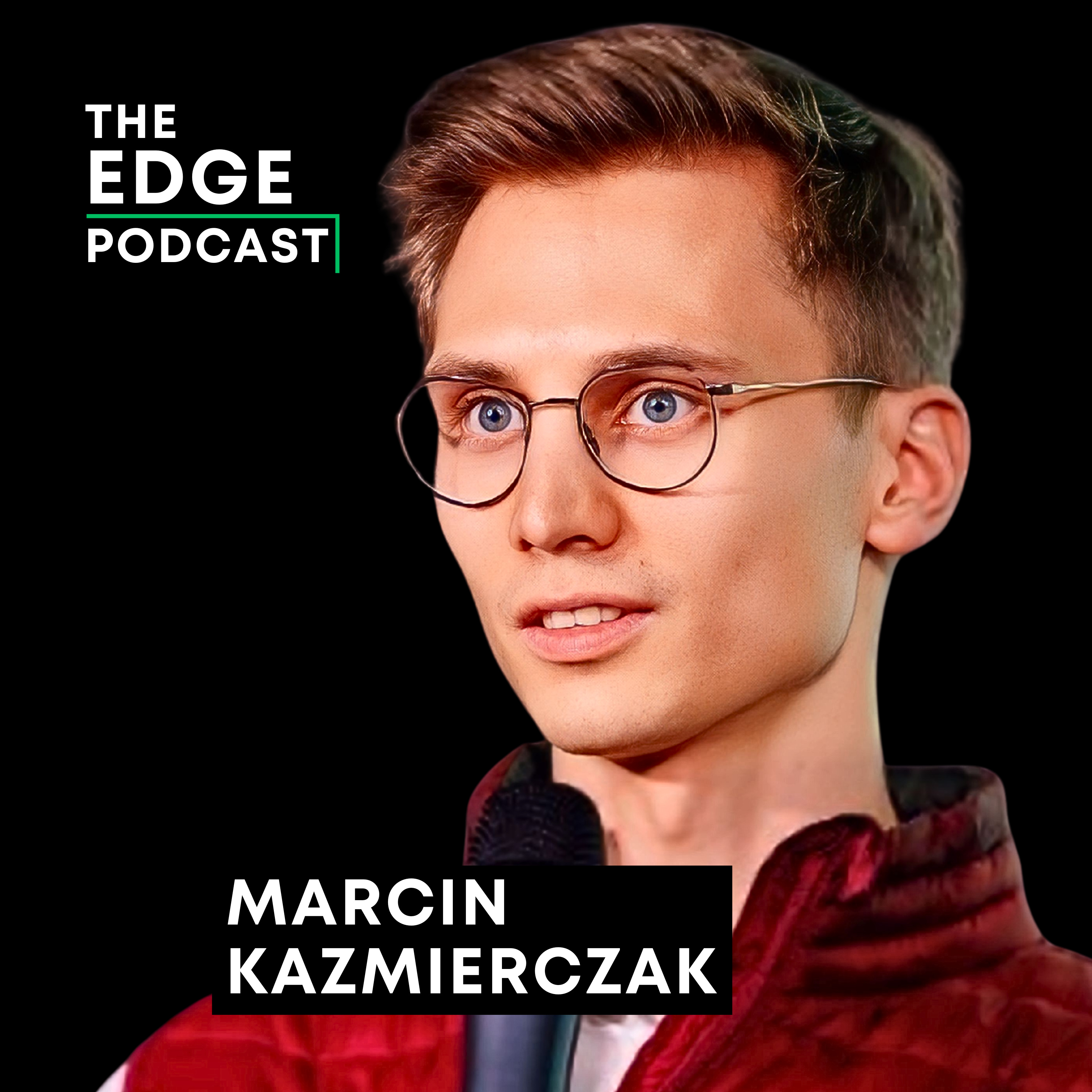
About this episode
Gil Santos is Lead Quant at Credora, and Marcin Kazmierczak is CoFounder of RedStone, which recently acquired Credora.We dig into why DeFi desperately needs credit ratings, how Credora is building them, and why this is the missing piece for institutional capital to flow onchain. Gil explains the problem: DeFi has transparency of transactions but opacity when it comes to risk. You can see every trade onchain, but you can't tell if a Morpho vault is genuinely safer than another. Credora is building the Moody's and S&P for DeFi—real-time, dynamic risk ratings that update as market conditions change.In this episode, we cover:+ Why DeFi needs a ratings protocol ($10B rated, 80% Morpho TVL coverage)+ The L2Beat parallel: Raising standards for the industry+ How Credora ratings work: assessment from collateral → markets → vaults+ 2026 vision: Stablecoins to $1T, fintechs offering rated yields to retail------💎 THIS EPISODE'S PARTNERS🔒 KPK | Best risk-adjusted yield through automated vaults🏙 MAINSTREET | Bringing proven TradFi yield strategies to DeFi markets🌅 NEUTRL | The next generation of crypto-native yield🛡️ ACCOUNTABLE | Real-time financial verification🕛 NOON | The highest and safest stablecoin yield, built for the long term⚔️ KATANA | Deep liquidity & real yield🏦 MANTLE | MNT is now live on Solana🐡 PUFFER INSTITUTIONAL | ETH staking solutions for scale⚙️ GEARBOX PROTOCOL | Onchain lending reimagined------⏱️ TIMESTAMPS0:00 - Intro1:26 - Gil’s background 3:28 - RedStone’s acquisition of Credora5:48 - Problems in DeFi: Risk, trust, and information asymmetry9:26 - The history of credit ratings in TradFi15:17 - What is Credora for DeFi?16:39 - How do Credora ratings work?19:54 - Rating scale in crypto vs. TradFi22:08 - Probability of significant loss: What the ratings actually measure27:19 - How Credora makes money without compromising credibility31:55 - How vault curators opt in to ratings (and Morpho's role)36:19 - How much is automated? Dynamic ratings vs. human oversight38:09 - Ra