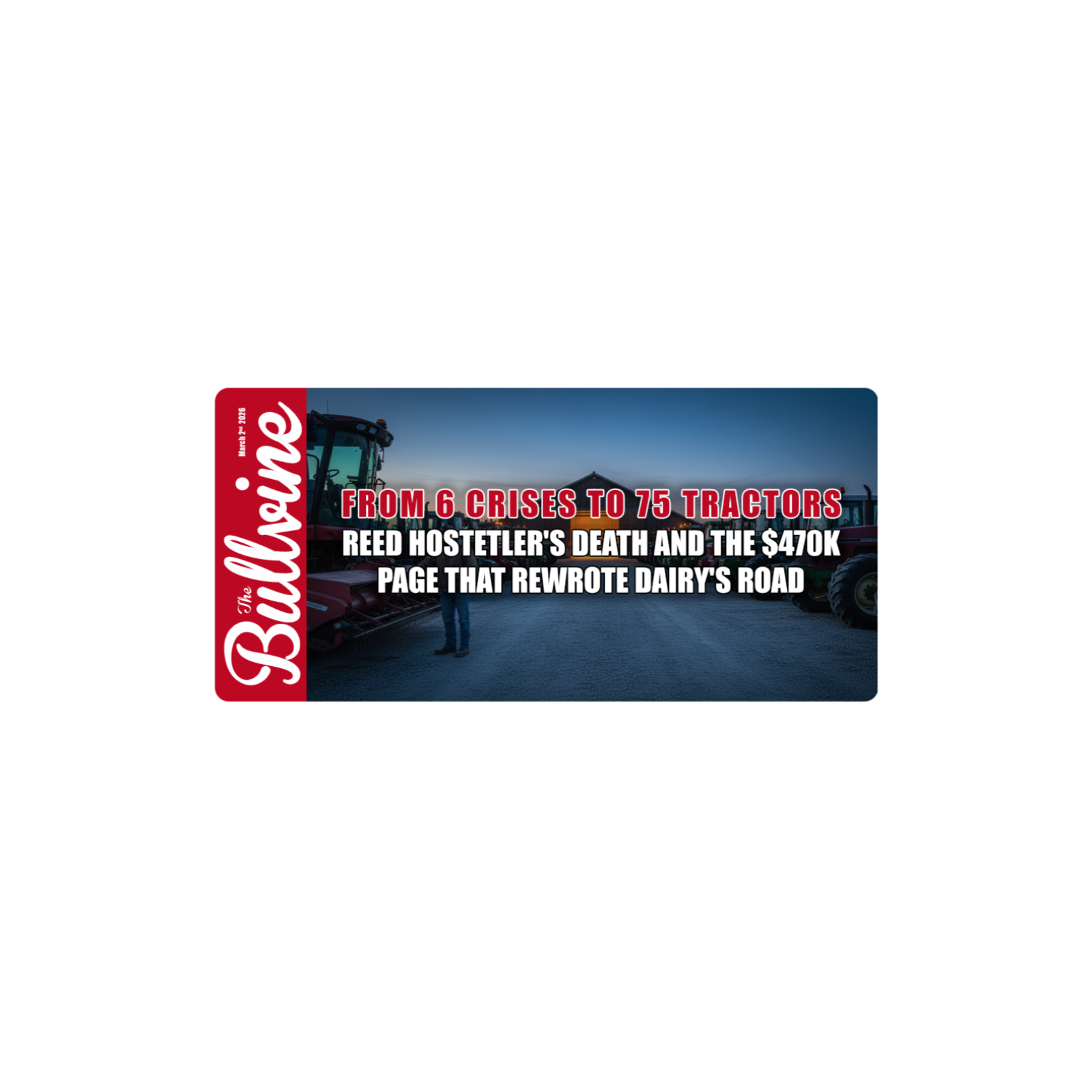
About this episode
Everyone says “community matters,” but almost nobody in dairy has put numbers to it. This episode walks through six real crises — manure gas deaths, an ICE raid, a flood that drowned parlours, and a processing collapse that left just 18 farms in an entire state — to ask a hard question: what actually separates operations that come back from those that quietly disappear? You’ll hear the barn‑level math, the route‑density economics, and the human infrastructure that, together, form the only safety net most dairies really have.Key TakeawaysHow a 31‑year‑old dairyman’s death triggered months of unpaid labour and support — and what that reveals about “crisis‑ready” communities.What OSHA’s proposed $246,609 in fines for six dead workers really means for your own safety investments and liability exposure.The operational and financial impact of a 35‑person ICE raid on a large dairy — and what that says about labour dependency across the industry.Why Sumas Prairie herds went from losing 14 loads of milk in one flood to just one load in the next — and how planning plus neighbour networks changed the outcome.What North Dakota’s collapse from 1,810 dairies to 18 tells you about processor risk, haul distance, and how fast a region can lose all redundancy.A simple piece of barn math to calculate what a lost herd on your road costs in milk volume, genetics spend, and informal labour — and why it matters for your own margins.A 30‑day checklist to build the phone trees, backup plans, and mental‑health support that protect both your balance sheet and the people behind it.This isn’t a feel‑good community story. It’s a data‑driven autopsy of what happens when things go wrong on working dairies, and a hard look at the structures that quietly decide who stays in business. You’ll hear how one county’s response to a manure‑pit death turned into sustained chore crews, tractor guards of honour, and real operational cover — and why that kind of infrastructure doesn’t just appear when tragedy strikes. We break down OSHA citation numbers, immigrant labour dependence, and the brutal haul‑distance math that now defines entire regions, showing how each factor feeds directly into survival odds. The episode connects flood hydraulics, milk‑pickup logistics, and suicide‑risk statistics into one uncomfortable conclusion: community is not charity, it’s unpriced risk management. If you’re making decisions about capital investment, expansion, genetics strategy, or succession, this conversation will force you to rethink where vulnerability actually sits in your system — and what you can build in the next 30 days to reduce it.For the full article, barn‑math examples, and links to the cases discussed in this episode, visit