About this episode
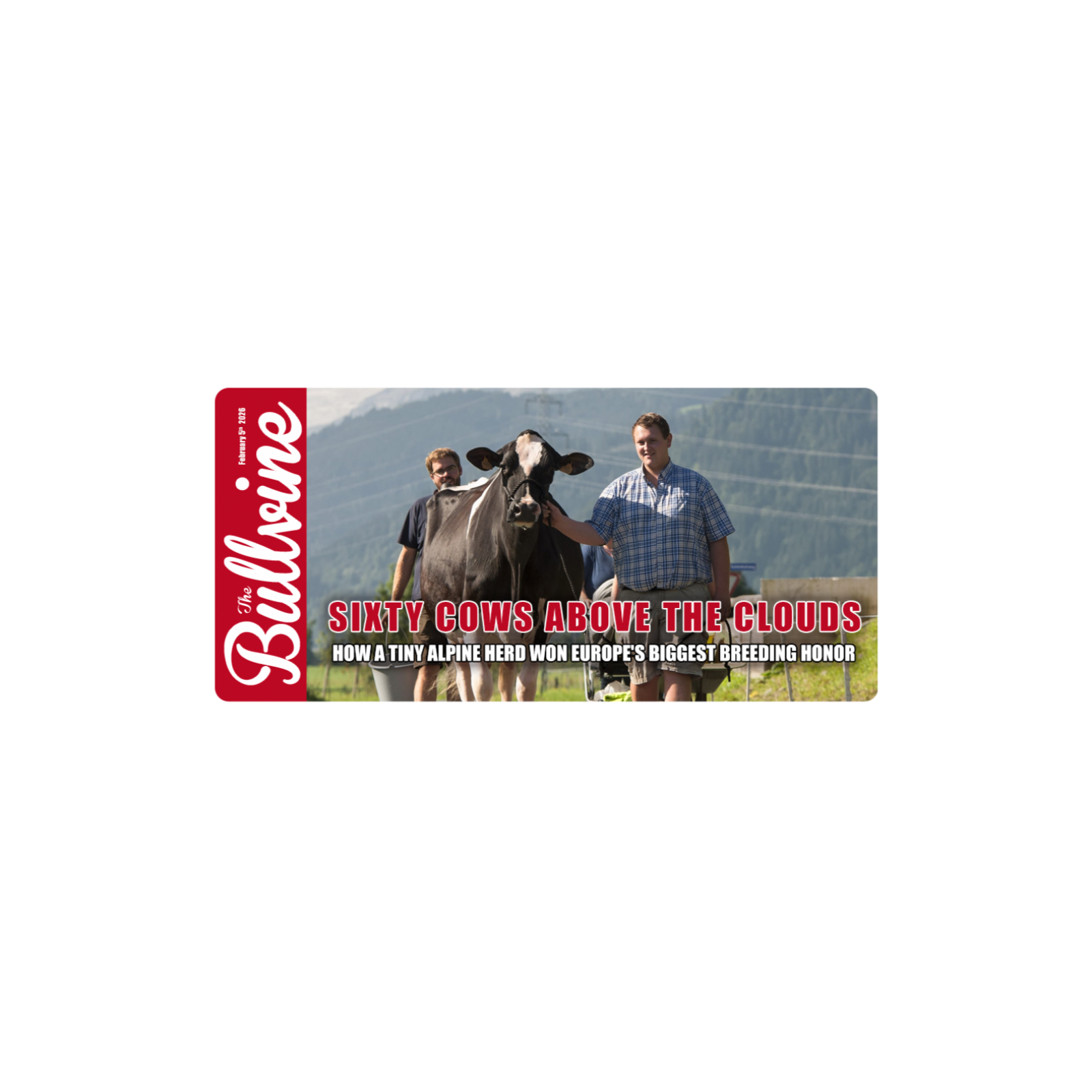
When Rupert Wenger was ten years old, his parents handed him a calf named Mailand. He had no idea that animal would reshape his entire life—or that twenty-two years later, he'd be standing with his family in their Austrian farmhouse kitchen, phones buzzing, tears welling, learning that their 60-cow herd had just been named European Breeder of the Year.Not by a narrow margin. By a landslide.In an industry obsessed with scale—where 2,800 American farms closed their doors last year and conventional wisdom insists you need a thousand cows to matter—one family in the Austrian Alps just proved everyone wrong.This is the story of how a "disadvantage" became an unbeatable moat, how a childhood gift became a genetic dynasty, and how patience compounded into something nobody saw coming. By the end of this episode, you'll be asking yourself: What am I apologizing for that I should be leveraging?The Story You'll HearThe moment the whole family learned they'd beaten Europe's biggest breeders—and why they almost couldn't believe itWhy Rupert's parents nearly sold the historic property to investors and walked away from farming entirelyThe "crazy" 2000 decision to abandon Fleckvieh for Holsteins in terrain everyone said would destroy themA calf gift at age ten that quietly became the foundation behind multiple championsThe cow whose loss still hurts—and what her journey from 7th place to Austrian National Champion taught Rupert about patienceWhen four elite sires all failed on the same cow family, and the gut instinct that produced DakotaThe hardest sale he ever made—setting a price he'd never asked before, then watching his cow win Reserve Grand Champion for someone elseHow fitting competitors' cattle led to friendships that transformed his breeding programThe alpine secret that lowland operations cannot replicate at any priceRupert Wenger is 32 years old. He milks 60 cows in Maishofen, Austria, where the Steinernes Meer rises 2,600 meters behind his family's barn and his father chairs the regional Holstein association in country that's historically favored Fleckvieh.The Wengers didn't fight their mountain location—they turned it into the reason elite buyers line up from across Europe. Every operation has something that makes it different. The question is whether you're apologizing for it or building your entire strategy around it.Read the full feature: Visit https://www.thebullvine.com/breeder-profiles/sixty-cows-above-the-clouds-how-a-tiny-alpine-herd-won-europes-biggest-breeding-honor/ and search "Sixty Cows Above the Clouds" for exclusive photos, the complete Rupert Wenger interview, and detailed breakdowns