About this episode
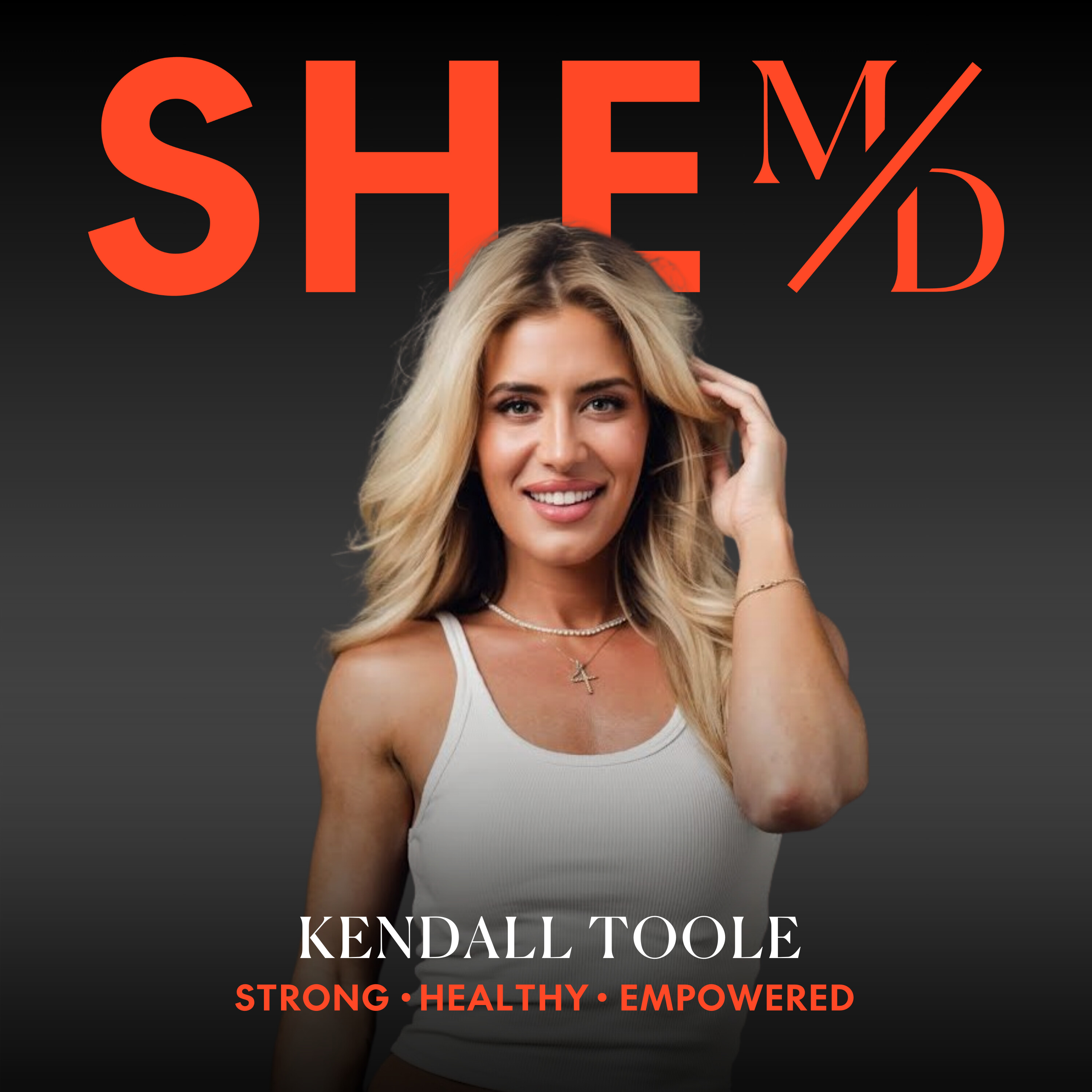
In this episode of SHE MD, hosts Mary Alice Haney and Dr. Thaïs Aliabadi welcome Kendall Toole, former Peloton instructor and entrepreneur. Kendall shares her journey from struggling with mental health to becoming a fitness icon and an advocate for women's empowerment. This conversation covers topics ranging from personal growth to women's health. Kendall also discusses why she chose a Mirena IUD (levonorgestrel-releasing intrauterine system 52 mg) for herself. Sponsored by Mirena: To learn more, visit mirena.com and ask your provider if Mirena could be an option for you. To view the full prescribing information, visit mirena-us.com/piAccess more information about the podcast and additional expert health tips by visiting SHE MD Podcast.Kendall Toole’s 5 Key Takeaways: 1. Advocate For Yourself: Take an active role in the decisions for your health, understand your body, your lifestyle and your goals. Make sure your voice is heard and communicate your priorities and needs. 2. Consult Your Healthcare Provider: Schedule a women’s health appointment to discuss your needs and explore what options are available for you. You are your best advocate along with your healthcare provider.3. Educate Yourself: Knowledge is power. If you're interested in a Mirena IUD, visit mirena.com to learn more and access resources to help you prepare for your next appointment. 4. Check In With Yourself: You know yourself best but when things are feeling off, ask for help and lean on your support system. 5. Personal Fulfillment: Make sure you also take time to fill up your own cup, identify your core passions and dedicate yourself to pursuing them with authenticity and enthusiasm.INDICATIONS FOR MIRENAMirena® (levonorgestrel-releasing intrauterine system) is a hormone-releasing IUD that prevents pregnancy for up to 8 years. Mirena also treats heavy periods for up to 5 years in women who choose intrauterine contraception. IMPORTANT SAFETY INFORMATIONIf you have a pelvic or genital infection, get infections easily, or have certain cancers, don't use Mirena. Less than 1% of users get a serious pelvic infection called pelvic inflammatory disease (PID).If you have persistent pelvic or stomach pain, or excessive bleeding after placement, tell your healthcare provider (HCP). If Mirena comes out, call your HCP and avoid intercourse or use non-hormonal back-up birth control (such as condoms or spermicide). Mirena may go into or through the wall of the uterus and cause other problems.Pregnancy while usin