About this episode
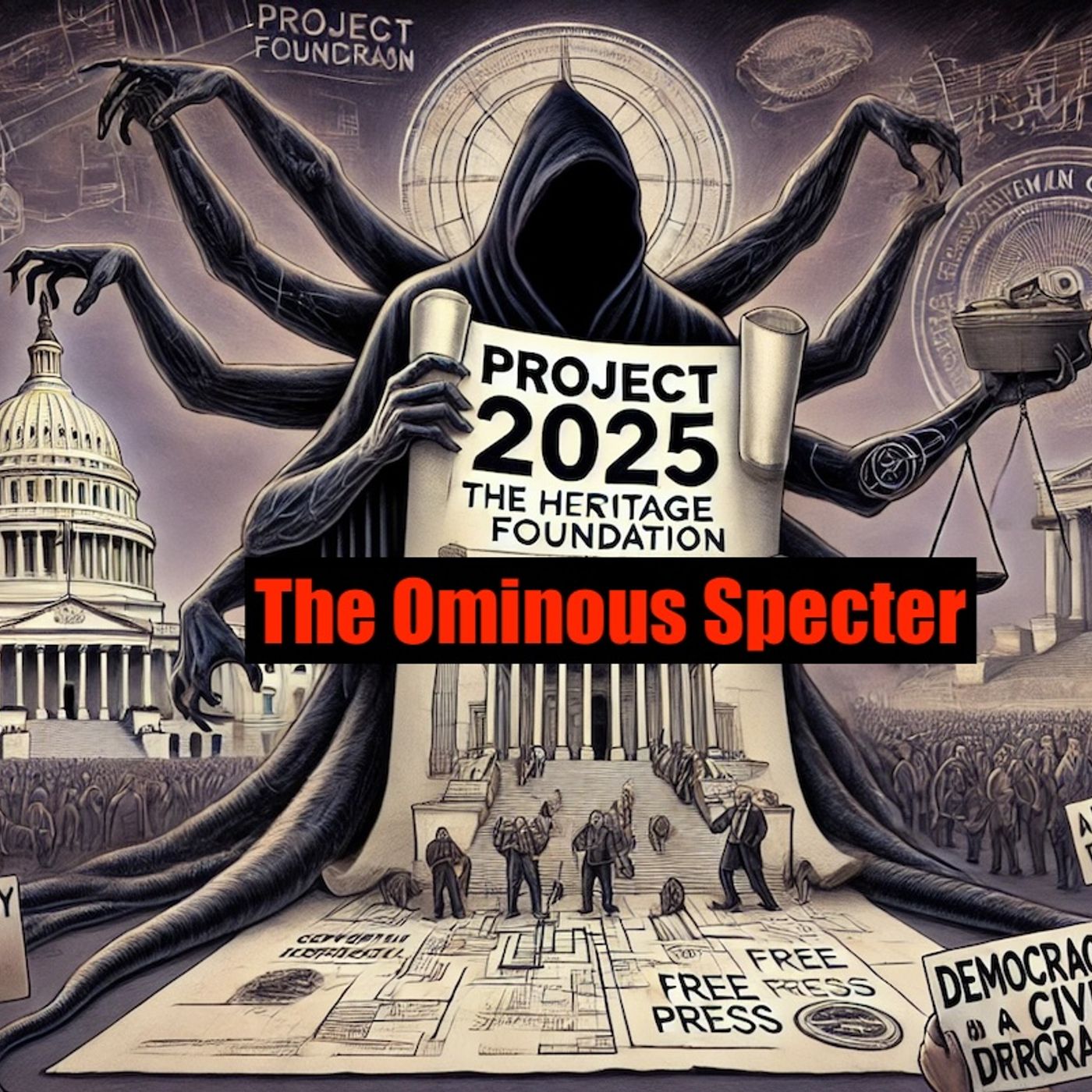
As I delve into the intricacies of Project 2025, a sense of profound transformation and potential upheaval in the U.S. federal government becomes increasingly clear. This initiative, born out of a convergence of conservative ideologies and strategic planning, aims to reshape the very fabric of American governance in ways that are both sweeping and contentious.Project 2025 is the brainchild of a coalition of conservative organizations, notably the Heritage Foundation, and was formalized in a 927-page policy blueprint released in April 2023. This document, often referred to as “Mandate for Leadership: The Conservative Promise,” outlines a radical restructuring of the federal government, with each of its 30 chapters dedicated to a specific department. The overarching goal is stark: to “destroy the Administrative State” and consolidate executive power under the presidency[5].At the heart of Project 2025 lies the unitary executive theory, an expansive interpretation of presidential power that seeks to centralize control over the government in the White House. Proponents argue that this concentration of power is necessary for efficient governance, but critics warn it could lead to an unprecedented erosion of checks and balances. Kevin Roberts, a key figure in this initiative, has stated that all federal employees should answer directly to the president, a notion that resonates with the Federalist Society and conservative justices who have supported stronger executive powers since the Reagan administration[4].One of the most striking aspects of Project 2025 is its plan for the Department of State. Kiron Skinner, who authored the State Department chapter, advocates for the dismissal of all leadership roles within the department before January 20, 2025. These positions would then be filled with ideologically vetted appointees who do not require Senate confirmation. Skinner's rationale is that many current State Department employees are too left-wing and thus need to be replaced by those more loyal to a conservative president. When questioned about specific instances where State Department employees obstructed Trump policies, Skinner admitted she could not provide any examples[4].This approach is not isolated to the State Department; it is part of a broader strategy to ensure that key positions across the federal government are filled with political loyalists. Project 2025 includes a 180-day playbook detailing specific steps for implementing these reforms, starting with a stack of prepared Executive Orders ready for the new president to sign on the first day in office. This playbook is designed to expedite the transition and ensure that political appointees, rather than career civil servants, hold the reins of power[5].A critical component of this plan is the use of Schedule F, a scheme that allows for the hiring of unlimited political appointees without expiration dates. This mechanism also enabl