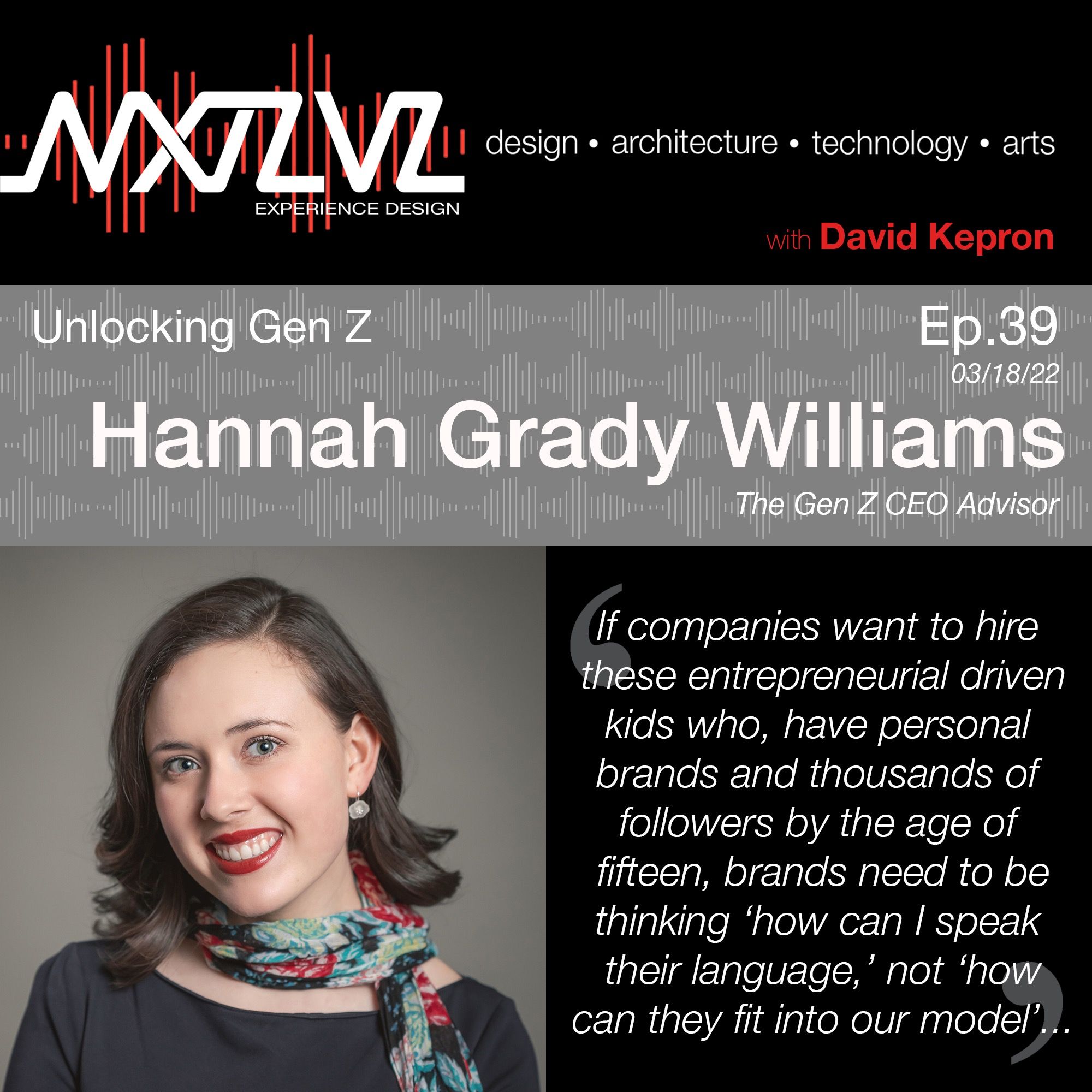
About this episode
About Hannah Grady Williams:Hannah’s Profile: linkedin.com/in/hannah-williams-genz-ceo-advisorWebsite: hannahgwilliams.com/ (Personal Website)Phone: 828-490-7535 (Work)Email: hannahnaomigrady@gmail.comBio:As a 12-year-old middle schooler and the oldest daughter of seven children, Hannah Williams’s dad took her to work at his start-up one day per week. Usually, they would visit properties, collect rent, and file paperwork, but one afternoon was different. “Hey Hannah, the phone is ringing. There’s a guy on the other line with a house for sale and you’re going to close the deal.” Hannah took the phone and fumbled through the call, but sure enough, within weeks, they owned the property.Before long, Hannah was religiously consuming business books. She enrolled in college at age 14 and graduated with a degree in international business by 18. Since then, Hannah has consulted Fortune 500 companies and boutique luxury brands and has had the pleasure of working with some of the best and brightest leaders across the globe. Hannah is now on a journey to help companies connect with her generation, and her first book will be published in the Summer of 2021. In a time when the world is increasingly divided, Hannah has made it her mission to foster #RadicalEmpathy in the workplace - helping both young and old gain a voice.SHOW INTRODUCTION:Since watching my son Ben create Instagram posts years ago when he was 12, I have had an intense interest in what Gen Z was doing with their phones beyond using it for a communication device. As I have watched and seen the creativity pouring out of my sons in the making of digital content, I have become increasingly aware that what they are doing with their digital devices goes beyond texting, playing games and watching videos, they are imbibing content at a remarkable pace, learning more about the world than I knew about the world well into my early adulthood and… making stories.They are content creators writing narratives of their own lives. They are bringing to life themselves, their own personas, as individual brands, with strong points of view on politics, media, identity, social issues, the economy, climate change and more.As content creators they have a facility with media production not seen in generations before them. That power of connection into the digisphere lays in the palm of their hands and they come to the table with an expectation set that is very different that other consumers.Contrary to popular belief, they don’t love digital technology. They aren’t amazed orconfounded by it. It just is. It is as if it is simply another appendage that they wouldn’t