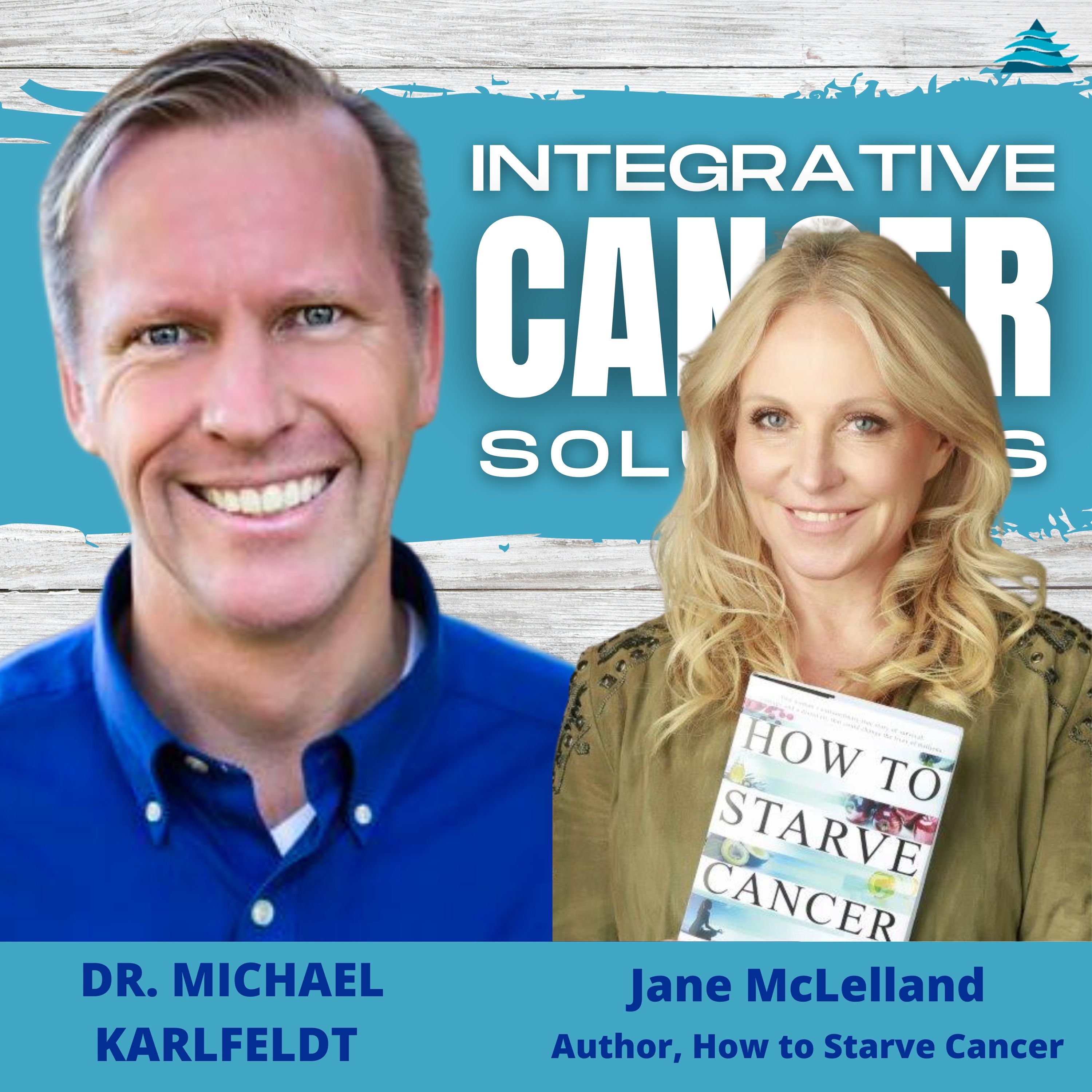
About this episode
Featured on Cancer Breakthroughs 3.0 Summit 2025 — Jane McLelland is a four-time cancer survivor, former Chartered Physiotherapist, and the internationally bestselling author of How to Starve Cancer. After facing stage IV cervical cancer and later treatment-induced myelodysplasia (a pre-leukemia condition), Jane dove into decades of research to decode cancer metabolism and build a practical framework patients and clinicians can understand. Often called a “modern-day Cancer Sherlock Holmes,” she’s best known for the McLelland Metro Map™—a visual guide to the fuel pathways cancers use to survive and adapt.In this conversation, Jane explains why cancer is a “shapeshifter” and why single-solution thinking (one drug, one supplement, one diet) often falls short. She breaks down the logic behind her “Metabolic Cocktail” strategy—combining diet, movement, supplements, and carefully selected low-toxicity repurposed drugs to synergistically block multiple cancer fuel routes (glucose, glutamine, and fat pathways). You’ll also hear her cautionary take on DIY trends and oversimplified protocols, plus how tools like PET imaging, gene expression insights, and even AI can help personalize a more nuanced, adaptable plan.Most importantly, Jane offers a mindset shift: cancer treatment isn’t a static one-time choice—it’s an evolving strategy. If you’ve ever wondered how to “think metabolically,” ask better questions, and understand the why behind integrative combinations (including where keto can help—and where it can backfire), this episode gives you a clearer map and a smarter way forward.Key Topics CoveredWhy cancer behaves like a “shapeshifter” and adapts when one pathway is blockedThe core idea behind the McLelland Metro Map™ and metabolic “fuel routing”Jane’s Metabolic Cocktail philosophy: synergy across diet, exercise, supplements, and repurposed drugsThe overlooked role of glutamine and fat metabolism—not just glucose—in cancer fuelingHow keto can help early for some people, and how it may drive resistance pathways later for othersRepurposed drug principles Jane discusses (e.g., metformin-style glucose control, statins, anti-inflammatories, anti-platelet concepts) and why combinations matterUsing tools like PET scans (and the limitations when cancers shift fuels) to understand metabolic activityStrategies and cautions around blocking glutamine uptake (and why receptor-level targeting matters)A practical overview of ferroptosis: GPX4 vs. cysteine/glutathione pathways and why pulsing mattersThe importance of doctor oversight, personalization, and avoiding extreme “one-size-fits-all” DIY protocols
-----------------------------------------------A Better Way to Treat Cancer: A Comprehensive Guide to Understanding, Preventing and Most Effectively Treating Our Biggest Heal