About this episode
What do Bigfoot and credit reports have in common? They’re both surrounded by myths. While we may never settle the question of an eight-foot-tall creature wandering the woods, we can clear up the confusion around credit reports.
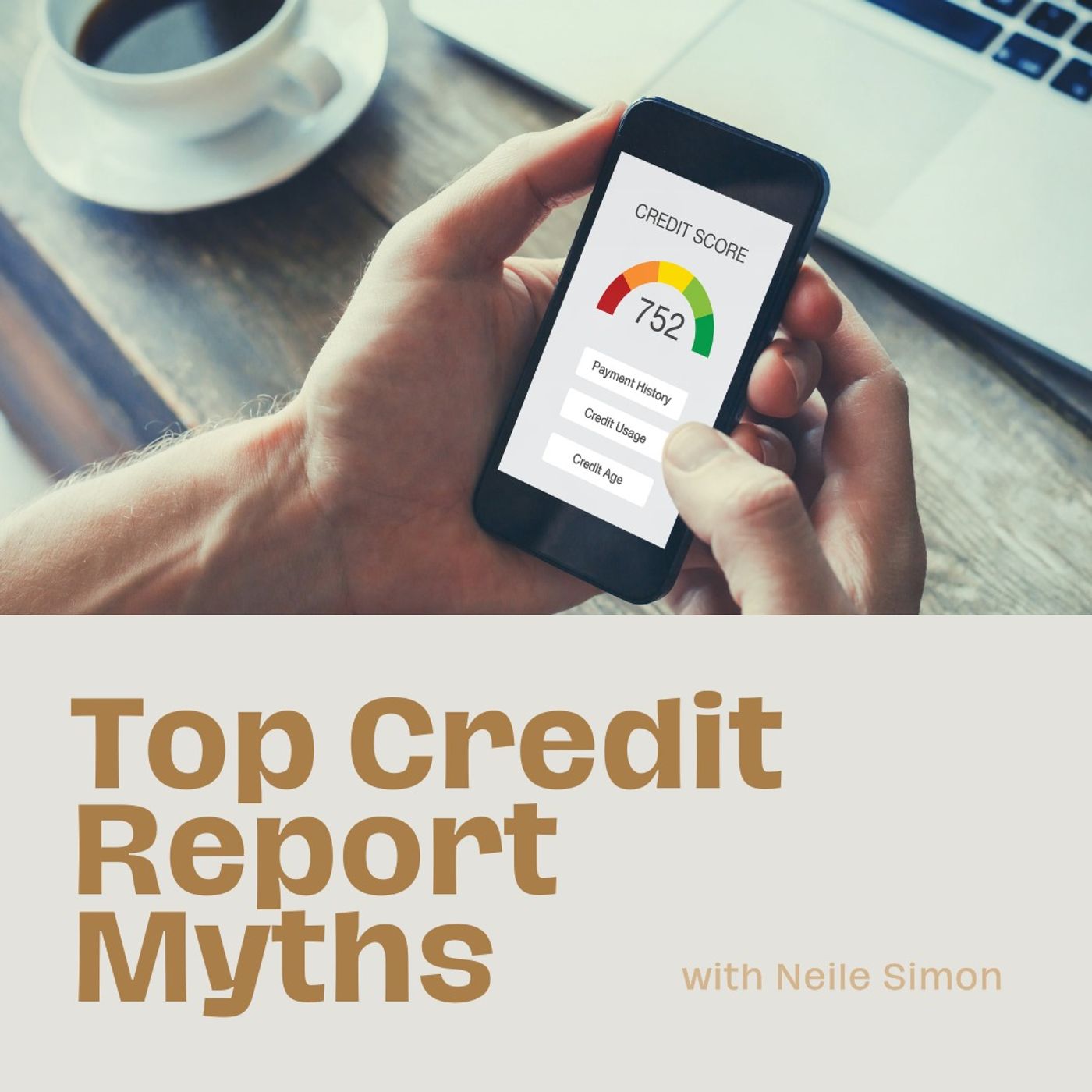
On this episode of Faith & Finance, Neile Simon, a Certified Credit Counselor with Christian Credit Counselors, stops by to clear up some of the most common misconceptions about credit reports and credit scores. Understanding how credit really works can help you avoid costly mistakes and make wiser financial decisions.
Myth #1: Paying Off Debt Instantly Fixes Your Credit
Paying down debt is always a good step—but it doesn’t instantly produce a perfect credit score.
A credit score reflects your history of borrowing and repayment. Lenders use it as a snapshot of how responsibly you’ve managed credit over time. That means improvement takes patience.
The most important habit is simple: consistently pay your bills on time. Over time, that steady pattern will strengthen your credit profile.
And beware of anyone claiming they can “fix your credit overnight.” Building good credit always takes time.
Myth #2: Credit Counseling Ruins Your Credit Score
Many people fear that seeking help will damage their credit—but that’s not true.
Participating in a credit counseling program is considered a neutral mark on your credit report. What can affect your score is closing accounts, not the counseling itself.
In fact, nonprofit credit counseling agencies often help people regain control of their finances through structured debt management plans. If you seek help, make sure the organization is accredited and nonprofit. That’s why Christian Credit Counselors is the only organization we recommend for credit counseling and debt management.
Myth #3: Canceling Credit Cards Boosts Your Score
Closing credit cards may seem responsible, but it can actually lower your credit score.
Why? Because it reduces your available credit, which increases your credit utilization ratio—a key factor in credit scoring.
If you have credit cards with zero balances and no annual fees, keeping them open can actually help your score.
If you must close accounts, do it gradually—