About this episode
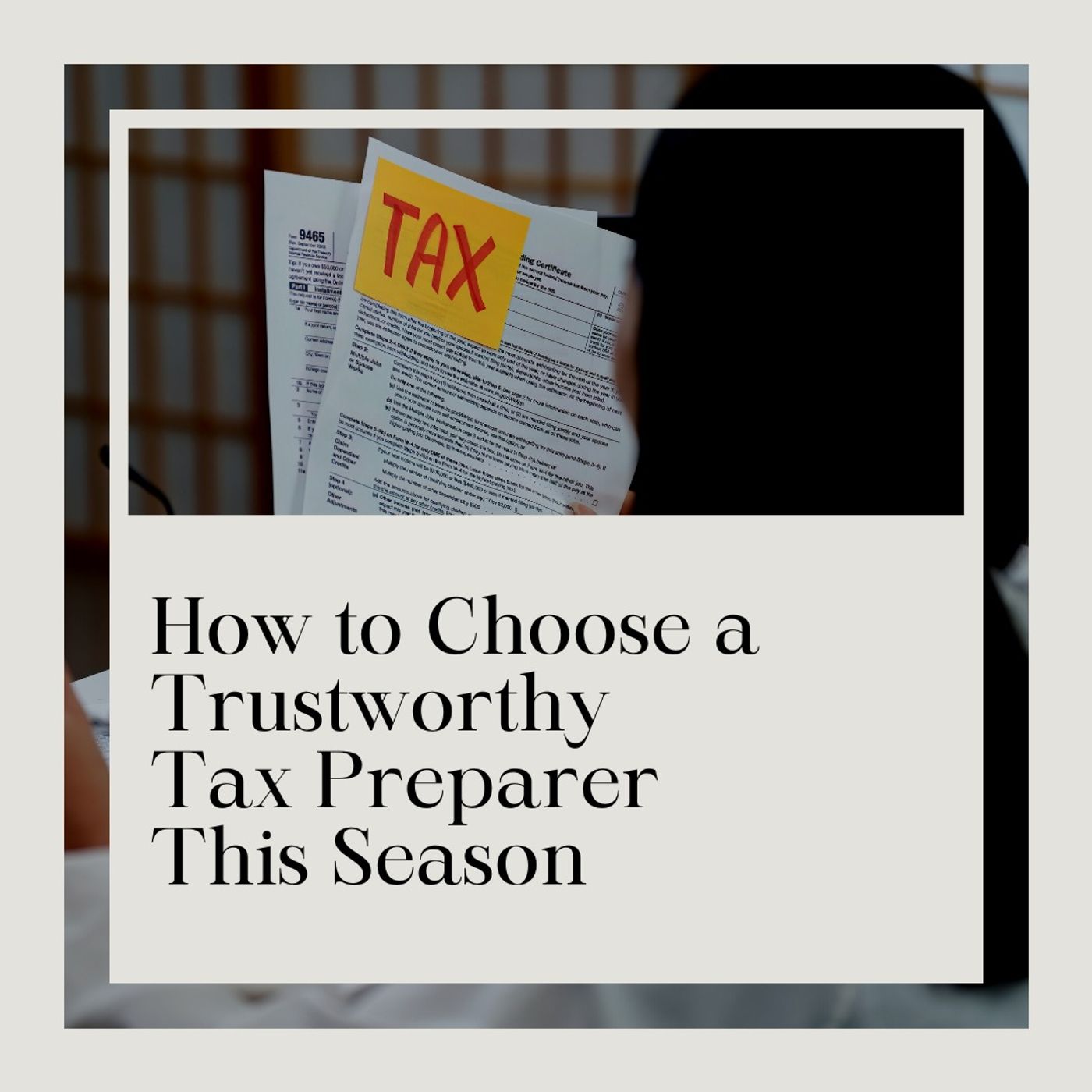
The holidays are behind us; you know what that means—it’s tax season! But before you start gathering your W-2s and receipts, there’s an important question: Do you know who will prepare your taxes this year?With a nationwide shortage of Certified Public Accountants (CPAs) and tax professionals, waiting too long to find a preparer could leave you scrambling—and vulnerable to scams. Here’s how to protect yourself and find a trusted tax preparer.Who Can Prepare Your Taxes?When hiring a tax professional, your preparer will likely fall into one of three categories:Certified Public Accountant (CPA): These professionals undergo rigorous education, exams, and licensing requirements. Many specialize in tax preparation and can also provide broader financial guidance.Enrolled Agent (EA): Licensed by the IRS, EAs are tax experts who can prepare and file returns, represent clients before the IRS, and provide tax planning services.Tax Attorney: These legal professionals specialize in tax law and are particularly useful for complex tax situations, audits, or disputes.Each of these professionals is highly qualified—but the problem is there aren’t enough of them.There is a growing shortage of CPAs and tax professionals, largely due to fewer young people entering the field. One of the major "Big Four" firms, KPMG, continues to offer high school students internships at $22 an hour to encourage them to become CPAs.What does this mean for you?Longer wait times to book a tax preparerHigher fees due to increased demandGreater risk of falling into the hands of fraudulent preparersWhen people are desperate to file their returns, they can become easy targets for scammers who fake credentials or engage in tax fraud.How to Avoid Tax Scams and Find a Qualified PreparerTo protect yourself, follow these IRS-recommended steps when choosing a tax preparer:1. Choose a Year-Round Tax PreparerA reputable preparer should be available year-round. You don’t want your tax preparer to disappear if you get audited.2. Verify Their IRS CredentialsAsk for the IRS Preparer Tax Identification Number (PTIN). All paid tax return preparers must register with the IRS and enter their PTIN on every return they file.Check their status using the IRS Directory of Federal Tax Return Preparers at IRS.gov.3. Look for Professional CredentialsAsk if the preparer holds a credential such as:CPA (Check with the Sta