About this episode
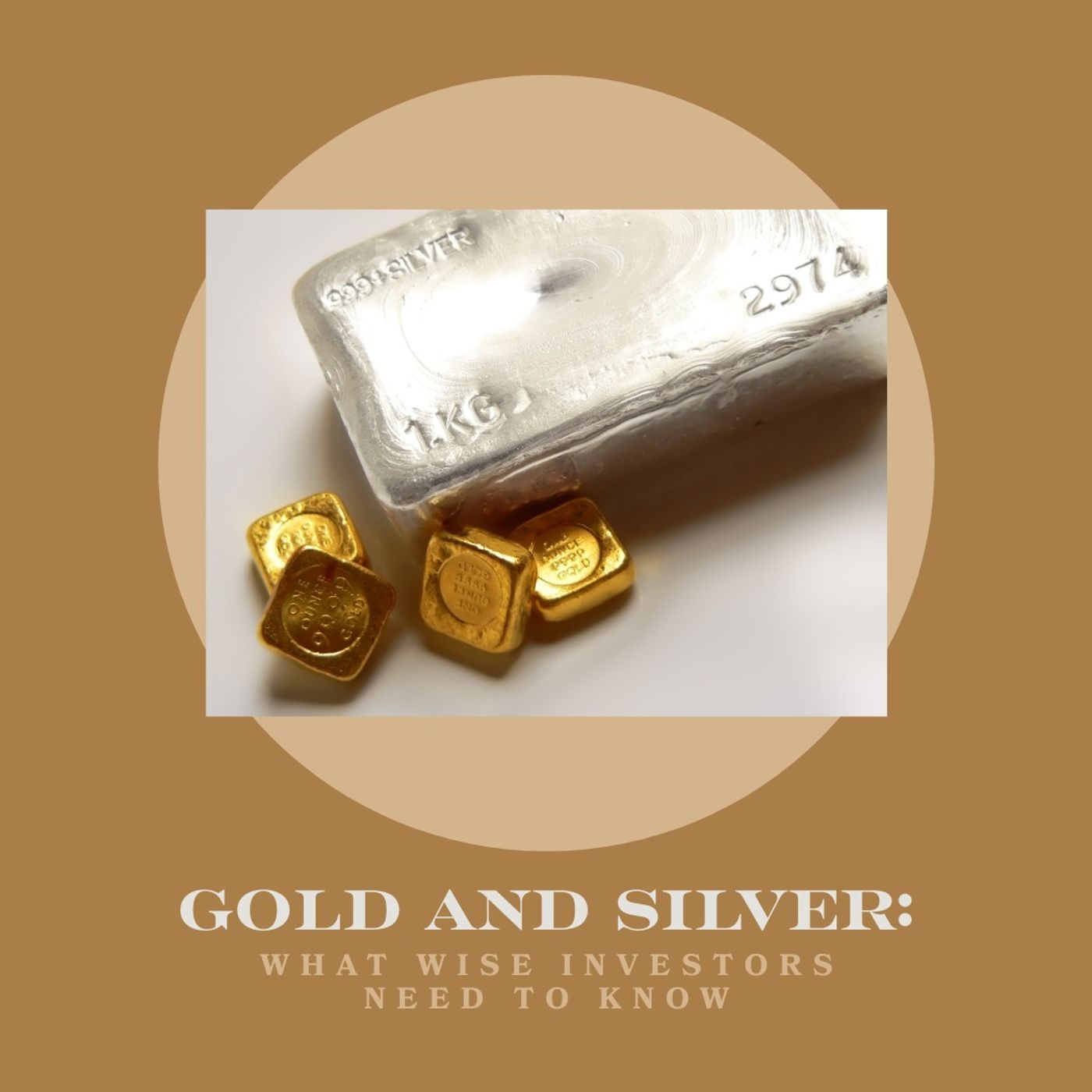
From ancient times to modern markets, gold and silver have captured people’s attention—especially during seasons of uncertainty. It’s one reason more believers are asking whether precious metals belong in their investment portfolios. The question isn’t simply financial; it’s also about stewardship. Where do metals fit—and where don’t they—when we’re seeking to make wise, faithful decisions with what God has entrusted to us?A Long History as a Store of ValuePrecious metals are among the oldest forms of money in human history. For thousands of years, gold and silver have served as a store of value. Even today, in an economy dominated by fiat currencies, they still carry an aura of stability and permanence.There’s a practical reason for that: governments can print more dollars, but they can’t print more gold or silver. As a result, investors often turn to metals during periods of inflation, geopolitical tensions, or financial instability. They’re commonly viewed as a hedge—an asset that may preserve purchasing power when confidence in broader systems begins to waver.That perception holds some truth. But it’s also important to separate reality from myth. Precious metals are not magic assets, and they don’t function like traditional growth investments.How Precious Metals Differ from Traditional InvestmentsThey Don’t Produce IncomeStocks may pay dividends, bonds generate interest, and real estate can produce rental income. Precious metals, by contrast, do not produce income. They simply exist as assets whose value rises or falls over time.That doesn’t mean they can’t appreciate. But it does mean their return profile is fundamentally different from owning productive assets. Gold sits still; businesses build.Prices Can Be VolatileMetals are often described as “safe,” yet their market prices can swing sharply. There have been extended seasons when gold and silver prices barely moved—or declined—reminding investors that stability and growth are not the same thing.Costs MatterOwning physical metals involves more than just the purchase price. Coins and bars often carry premiums, and they require storage, insurance, and security considerations.For those who prefer not to handle physical metals, exchange-traded funds (ETFs) and similar vehicles offer another path. These track the price of gold or silver without the logistical challenges of storing them, making them a practical option for many investors.Allocation Is KeyFinancial professionals who favor precious metals typically recommend keeping them as a small portion of a diversified portfolio—often around 5%, and rarely more than 10%. When metals dominate a portfolio, they can crowd out assets better suited for long-term growth.What Scripture Says About Wealth and SecurityThe Bible references gold and silver