About this episode
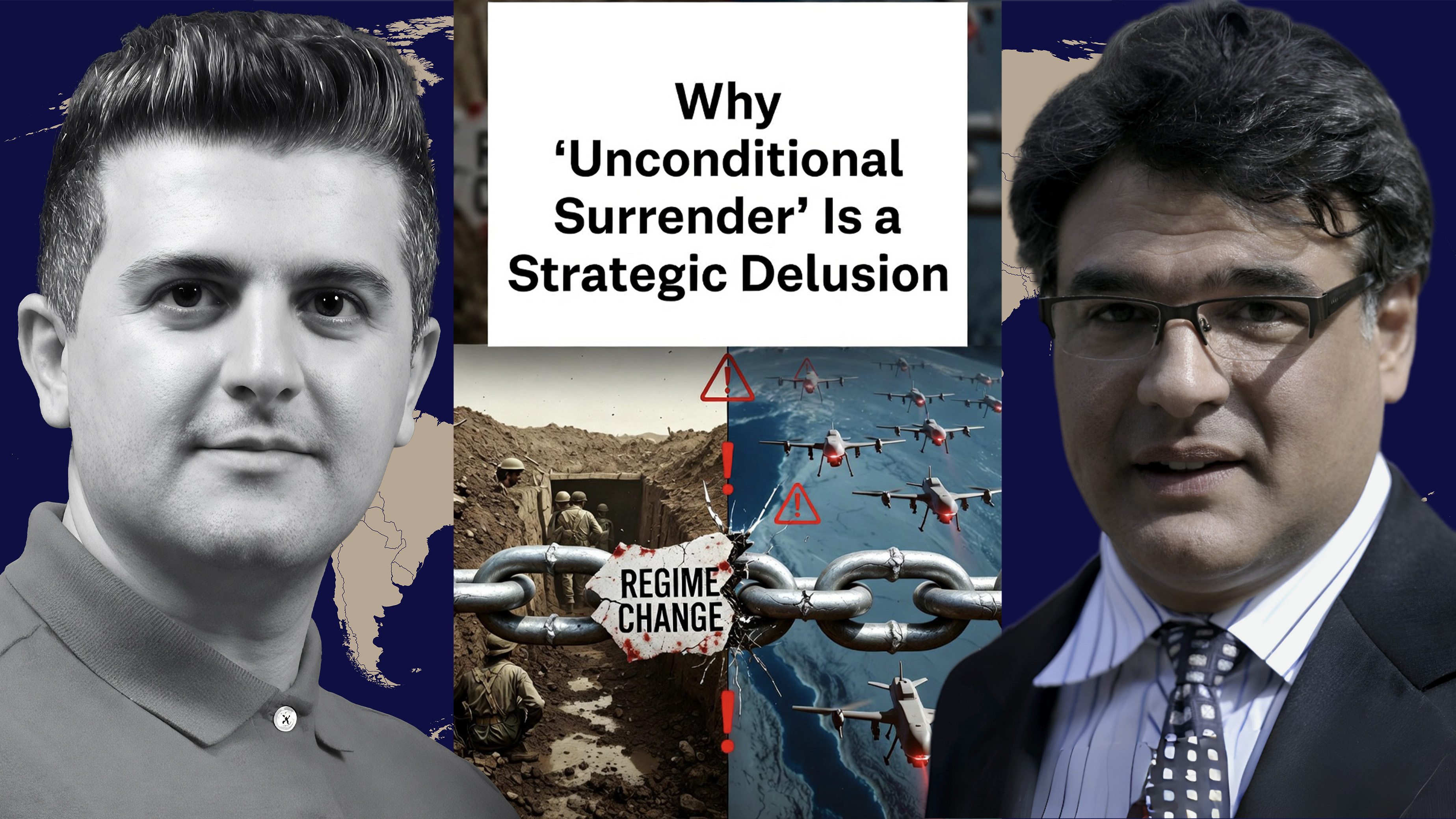
In-depth analysis of escalating US-Iran conflict following targeted strikes and civilian casualties. Examines Iran's asymmetric warfare strategy using low-cost drones against US bases and Gulf oil infrastructure, challenging assumptions of quick victory. Discusses miscalculations in expecting Iranian collapse, the vulnerability of Arab Gulf states despite high defense spending, and questions about US reliability as a negotiating partner. Explores how neoconservative influences shape current policy, the unrealistic nature of "unconditional surrender" rhetoric, and risks of nuclear escalation. Addresses potential proxy operations via Kurdish groups, politicization of intelligence, and reliance on foreign sources over domestic analysis. Considers broader implications: unsustainable US defense spending, infrastructure neglect, and BRICS currency developments challenging petrodollar dominance. Concludes that Iranian resilience, historical experience from the Iran-Iraq war, and asymmetric capabilities suggest prolonged conflict rather than swift resolution, with regional stability and global economic impacts at stake. Hosted on Acast. See acast.com/privacy for more information.