About this episode
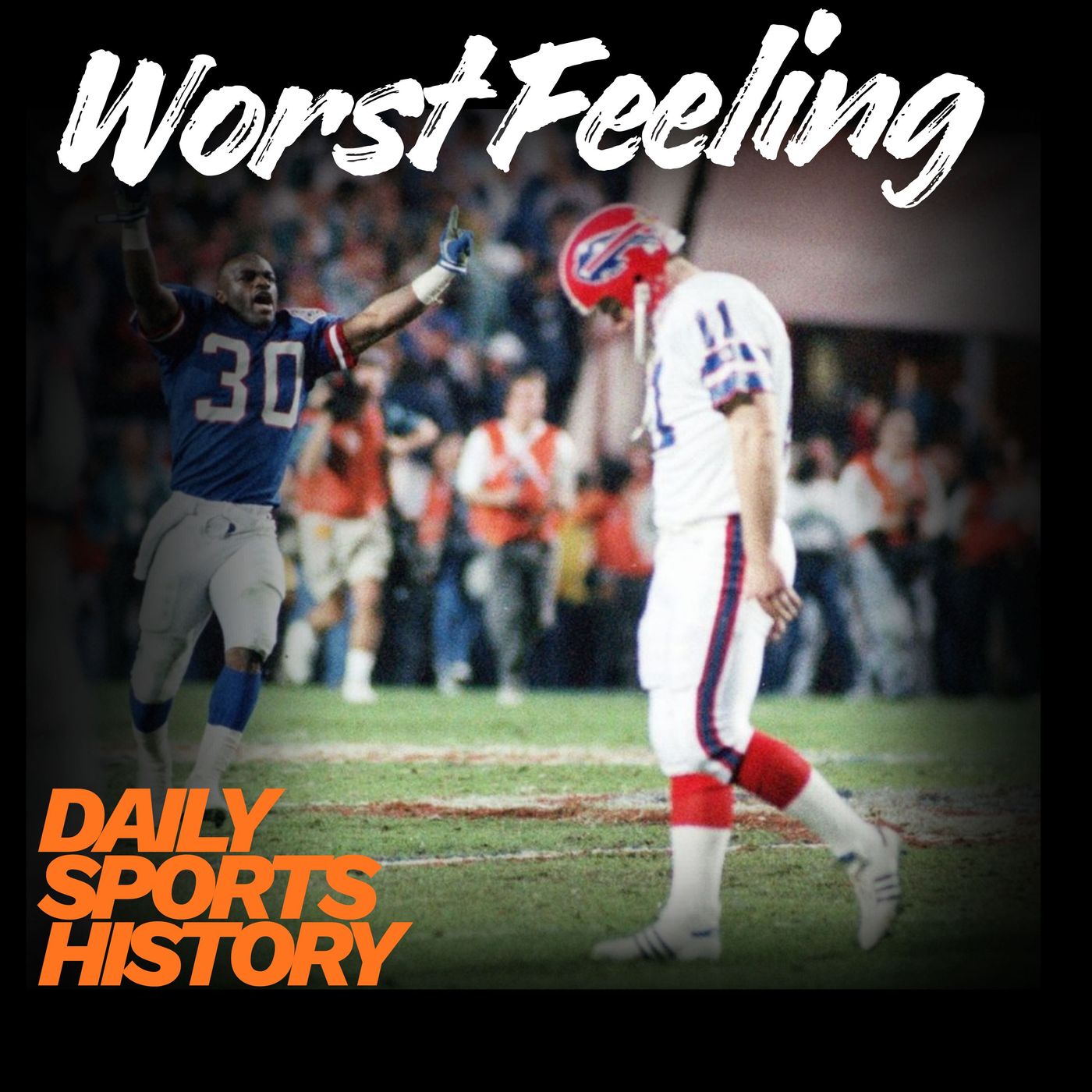
On January 27, 1991, under the lights in Tampa and the shadow of the Gulf War, the Buffalo Bills stood one kick away from rewriting both franchise history and the story America tells about heartbreak in sports. Super Bowl XXV wasn’t supposed to be a one?point coin flip. It was billed as the coronation of the NFL’s most terrifying offense—a K?Gun machine that had just dropped 51 points in the AFC Championship and looked poised to launch a small, snow?belt city into dynasty status. Instead, it became the night a 47?yard field goal on grass turned into a permanent scar called “Wide Right.”This episode drags you into the cold, gray winters of western New York, where Bills football is more faith than pastime and where a blue?collar city poured its soul into Jim Kelly, Thurman Thomas, Andre Reed, Bruce Smith, and an offense that ran at warp speed. We trace how Marv Levy and Bill Polian turned a forgotten franchise into a juggernaut, and why that rise made what happened in Tampa feel less like a loss and more like a cosmic betrayal.From there, we widen the lens to America in January 1991—yellow ribbons on lapels, war footage on hotel lobby televisions, and Whitney Houston stepping to the mic for a national anthem that felt less like pregame ritual and more like a national prayer. Against that backdrop, a young defensive coordinator named Bill Belichick pulled a thick, blue?bound game plan from his bag. His idea was radical in its simplicity: invite Thurman Thomas to run, smother the passing lanes, strangle the clock, and turn a track meet into a grinding street fight where every possession—and every kick—mattered more than talent on paper.Quarter by quarter, you’ll hear how that plan worked. The Giants lean into long, suffocating drives behind Jeff Hostetler and Ottis Anderson, while the Bills’ no?huddle rhythm keeps getting chopped into pieces. Buffalo still moves the ball, still flashes brilliance, but time of possession quietly bleeds away until the scoreboard and the clock squeeze the game down to a single drive. By the time Kelly and the K?Gun get the ball back on their own 10 with just over two minutes left, the most explosive offense in football is playing against the clock, against Belichick’s trap, and against its own suddenly conservative instincts.We walk snap?by?snap through that final drive—the short throws instead of deep shots, the checkdowns, the one bailout run by Thurman Thomas that gets Buffalo into nominal “field?goal range,” and the moment the Bills effectively tap the brakes and accept a 47?yard attempt on grass instead of forcing the issue for something shorter. It’s an autopsy of choices: why a team built on aggression played safe when it mattered most, and how that caution quietly shifted the burden onto the one player least suited to carry it.Then, time slows. We freeze with Scott Norwood at the 31?yard line, the stadium humming around him. You’ll feel the quiet handshake with his holder, the deep