About this episode
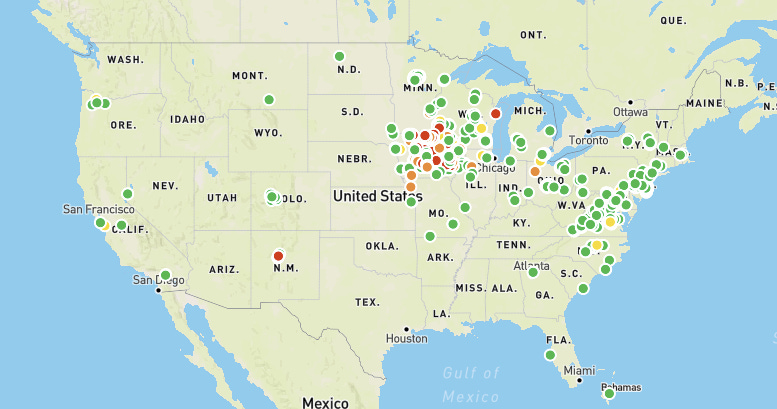
Nitrate levels in Des Moines' drinking water are hitting historic highs. The city just issued its first-ever lawn watering ban, and rural communities are struggling too. What’s going on?In this episode, we revisit that grade school water cycle diagram—then rip it up. Because the reality in Iowa is very different. Think monocrops, fertilizer runoff, and millions of acres of buried tile lines rerouting water away from where it needs to go.We talk with Iowa’s State Geologist Keith Schilling and Iowa Farmers Union President Aaron Lehman about how industrial ag broke the natural flow of water—and we can help fix it. It’s not just about science. It’s about systems.And yes, you can do something. Starting with what’s on your plate.Voices* Keith Schilling: State geologist and director of the Iowa Geological Survey* Aaron Lehman: Farmer and President of the Iowa Farmers Union (Disclosure: Host Beth Hoffman is a member of the Iowa Farmers Union Board of Directors)Nitrate Watch MapNitrate Watch is a crowd-sourced community science project of the Izaak Walton League of America. This program mobilizes volunteers across the country to monitor nitrate levels in surface water (rivers, lakes, streams) and drinking water. The goals of Nitrate Watch are to raise awareness about the impacts of nitrates on the environment and human health, identify hotspots of nitrate pollution, and advocate for solutions that reduce nutrient pollution. Interactive Map >Dig Deeper* Fertilizer sales rose in 2024, but researchers say farmers are getting more efficient* Nitrate in Drinking Water: A Public Health Concern for All Iowans (Iowa Environmental Council)* Iowans Across the State Asked To Conserve Water Due to Dry Wells-High Nitrate Levels (Iowa Capital Dispatch)* Excess fertilizer use: Which countries cause environmental damage by overapplying fertilizers? (Our World in Da