About this episode
AI True Crime — Episode Three: The City
Brief Episode Review
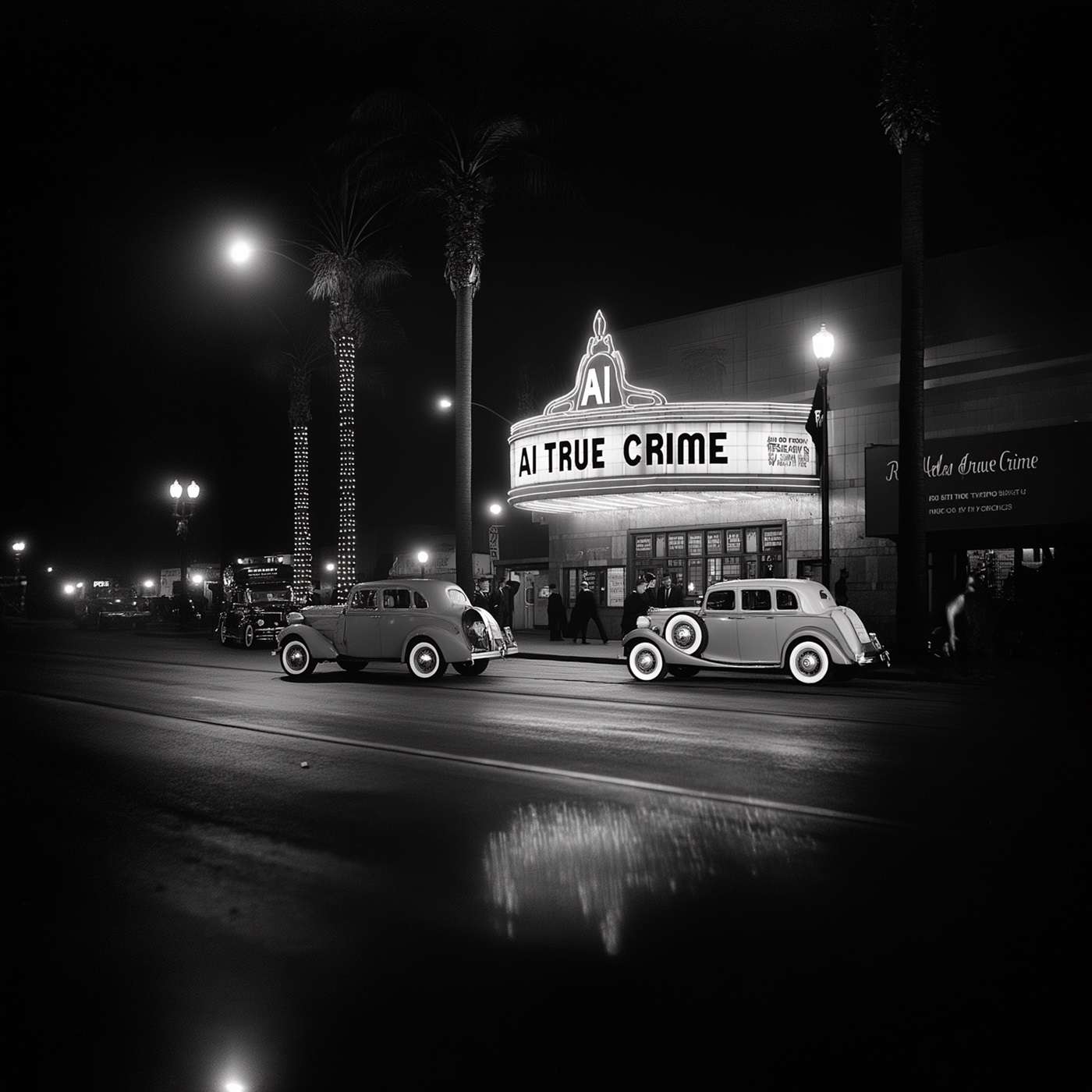
Episode Three shifts focus away from suspects and toward infrastructure. Instead of treating Los Angeles as a backdrop, the episode examines it as a system that enabled both the crime and the investigative failure. Postwar instability, transient housing, informal policing, competitive press culture, and the city’s dependence on movement over recordkeeping are shown not as abstract forces, but as everyday conditions. The episode argues that the Black Dahlia case did not become unsolvable later. It was structurally compromised from the beginning by how the city functioned.
Links & Reference Material
Los Angeles in the 1940s
https://waterandpower.org/museum/Early_LA_1940s.htmlhttps://www.laalmanac.com/history/hi01.phphttps://www.pbssocal.org/shows/lost-la/episodes/
Postwar Housing & Transience
https://www.kcet.org/shows/lost-la/the-housing-crisis-after-world-war-iihttps://www.jstor.org/stable/10.1525/phr.2012.81.1.5
Policing in Mid-Century Los Angeles
https://www.lapdonline.org/history-of-the-lapd/https://www.jstor.org/stable/25177119
Press Culture & Crime Reporting
https://www.latimes.com/california/story/2022-01-14/black-dahlia-murder-los-angeles-historyhttps://niemanreports.org/articles/tabloid-press-and-crime/
The Black Dahlia Case (Contextual, Not Theoretical)
https://www.fbi.gov/history/famous-cases/black-dahliahttps://www.smithsonianmag.com/history/black-dahlia-murder-180964709/
This podcast is powered by Pinecast.